Over the years I've been reading Ourselves: Our souls and Our bodies by Charlotte Mason. I've read it with my children, I've read it with other moms, I've read it with my husband when we completed the Idyll Challenge. And now I'm going to read it with a mother-daughter book group.
I've blogged in the past about how I have found a mother-daughter book group to be relationship building as you head into the adolescent years. I've tried to do intentional things to facilitate more communication to last through the teen years.
Now that I've reached my third daughter I'm finding a new way. We've finished the Beautiful Girlhood reprint by Karen Andreola and now are on to Ourselves as a team. With other mother daughter teams at our side.
Do you wish to join us?
Here's the link to our plans.
I hope to share more as we go along.
Showing posts with label books. Show all posts
Showing posts with label books. Show all posts
Saturday, August 18, 2018
Thursday, March 30, 2017
Tips for keeping order to a lot of homeschooling books being used for a large family
The reality of growing a large family and then homeschooling them in a Charlotte Mason approach is that you grow a huge library too. And you borrow many, many books from the library.
Over the years of loosing books, not returning books to the library on their time schedule, finding books again when the semester is over...I've put a few guidelines/tips/rules together for our home to make my days more smooth.
We have 12 book shelves in our house. In various locations. Basically a book shelf in every room and hallway (no book shelves in the bathrooms...we need to you to be quick in there!). This idea that books are the decorations in every room means that you never know completely where a book might be...mainly.
I started using a basket kept on the floor for our library books. The idea is that books are borrowed and returned from this one basket and not shelved with our other home library books. This works, mostly. I also keep a close eye online at our borrowing status and if we need to renew a book that has taken a walk through the house. I've also become very close friends with the librarians both so that they can understand what kinds of books to recommend to us and that they have mercy on this mother as I try to keep track of loads of books. We are the family that staggers out of the library with our over filled bag. It's been best for me if I request most books through interlibrary loan. Our library is in a "village" of only 1,000 persons. We have access to all the major libraries around with our card, but it is so helpful to be able to request books to come to our local library. I can also ask for an extended book check out to help me with missing books.
Have a specific book case shelf for each child. If we lived in a bigger house or had more shelves that weren't being used, I might have a book shelf for each child. Currently I have five children that are schooling and one tag along preschool aged kiddo. So I have six designated shelves in one room for them to store and collect their school lesson books from. This is the first place they go in the morning to collect books they will use during the day. They return their books to their own shelf when they have finished their day.
Use washi tape to organize your current books in use. This year I used one color for each day of the week. This allows me to grab all the books we read aloud together for one day at a glance. I keep all the books I read aloud in one week on one book shelf. I put a little strip of washi tape across the spine or on the front top cover. I like that I can peal it off gently without ruining the books that we love. I also can have the children collect our 'together' books when I give them the washi tape color of the day.
Use sticky notes. Sticky notes can help to keep your place in each book. I love beautiful bookmarks, but I also have sweet young children that love them too. Sticky notes don't seem to be as desirable to the children and stay in place! These sticky notes can also be a help for color coding. Have a certain book that you like to read on a certain day to only one kid? Let the colors guide you! Notes can be written on them to help remind the child (or the adult) how many pages to read. I also use the sticky notes to write exam questions as we go along. It allows me to highlight what the kids narrate well as we go through the book. (It's not easy to wait and write exam questions at the end...learn from my mistakes!)
{and sticky notes are great for asking for deeper or wider work from a child!}
A word to the wise. Don't use a sticky note on a very, very old book page. They can stay stuck! Magnet book marks are a wiser use here and save the sticky note for the cover page. I make little notes as my goals for reading and post them inside the cover of our read alouds.
Keep books at eye level. I love open shelving book cases. We have three different kinds. This one is in the kitchen/eating area. I try to mix up the books that I would like people to conviently "find" to piggy back on the books that are assigned. It's good to have lots of books strewn around in my opinion. You just never know who's gonna start reading!
What have you found helpful as you keep track of the current books you are using in your large homeschool family? I'm wondering!
Over the years of loosing books, not returning books to the library on their time schedule, finding books again when the semester is over...I've put a few guidelines/tips/rules together for our home to make my days more smooth.
We have 12 book shelves in our house. In various locations. Basically a book shelf in every room and hallway (no book shelves in the bathrooms...we need to you to be quick in there!). This idea that books are the decorations in every room means that you never know completely where a book might be...mainly.
I started using a basket kept on the floor for our library books. The idea is that books are borrowed and returned from this one basket and not shelved with our other home library books. This works, mostly. I also keep a close eye online at our borrowing status and if we need to renew a book that has taken a walk through the house. I've also become very close friends with the librarians both so that they can understand what kinds of books to recommend to us and that they have mercy on this mother as I try to keep track of loads of books. We are the family that staggers out of the library with our over filled bag. It's been best for me if I request most books through interlibrary loan. Our library is in a "village" of only 1,000 persons. We have access to all the major libraries around with our card, but it is so helpful to be able to request books to come to our local library. I can also ask for an extended book check out to help me with missing books.
 |
| Library basket |
Make a designated book shelf for your read alouds. Keep them all close to where you begin your day. For us we have our Bibles on the top shelf. We begin each day with prayer and Bible reading.
 |
| Book for morning read alouds and resources for our current Term |
 |
| Bookshelf used for five children's daily book reads |
 |
| Washi tape on the spine of an old book- |
 |
| Sticky note with reminders of what we read each week |
{and sticky notes are great for asking for deeper or wider work from a child!}
A word to the wise. Don't use a sticky note on a very, very old book page. They can stay stuck! Magnet book marks are a wiser use here and save the sticky note for the cover page. I make little notes as my goals for reading and post them inside the cover of our read alouds.
Keep books at eye level. I love open shelving book cases. We have three different kinds. This one is in the kitchen/eating area. I try to mix up the books that I would like people to conviently "find" to piggy back on the books that are assigned. It's good to have lots of books strewn around in my opinion. You just never know who's gonna start reading!
 |
| Open face front book case. |
What have you found helpful as you keep track of the current books you are using in your large homeschool family? I'm wondering!
Thursday, February 25, 2016
The way we fit it all in...
I'm mixing things up. This is the first year that we aren't doing the majority of our schooling together as a family. We've had morning read alouds and learning right after Bible and prayer time for so many years. But now it's time adjust to the real fact that I have a junior in highschool all the way down to a 3 year old preschooler. The atmosphere needs to be wonderful for all of them.

I make a pile of morning read alouds with the younger crowd of three kids. Aged 3, 5 and 8 are enjoying these reads and so am I. I am for joy and ease.

Then we have copywork time. This is a poem that the older kids are memorizing. Some of the lines are memorized by the youngest kids. Remember by Christina Rosetti It's a discipline for us all to keep writing on a daily basis.

Math and fine motor work by the youngest.

Letter recognition and reading by the 5 year old. The 3 year old oversees and the 8 year old corrects, that's the life.

This was the read alouds with the older crowd. Shared nature study happens once a week. Dry brush was to follow. I was pleased to get all the aloud reading done before noon today. It allows much more time for the older kids to get their individual work done and have some support from me. We can have more conversations along the way when we all feel like progress through these heavy reads continue.

In the afternoon this is what chores and reading can look like. At the same time. Audio books to the rescue for some. I think she was listening to Helena by Waugh

And always some evening games. We love Spot it. All ages can join in. It's great how a 3 year old can really jump in and participate next to daddy.
Do you find it easy to adjust to multiple ages in the home? Does the atmosphere of your home reflect your understanding of seeing each of your students as unique persons? This mother is still wondering and learning.
Saturday, January 9, 2016
Reading School Education
I'm reading Volume 3 of Charlotte Mason's writings again. This time with a group of other homeschooling moms. and dads.
What's reaching me this time? How has my heart changed in the 10 years since we first bought the volumes?
I'm seeing that standing aside is still a struggle for me. I've gotten tools in my box to help me know how to say "do you need my help or can you work it out?" I'm still learning to let them fail in their endeavors. Still learning. Still yearning to be the mom I'm called to be....
This month we began to discover some of the educational and philosophical thought of the times when Charlotte lived. Some education was expected so that children could become good workers for the economy of the country.
What is it that we hope for the children in our home? Do we educate so that they can be contributing workers in society only? Do we expect life long growth? Is this a 12 year learning experience that ends when they leave this home?
How am I living "education is an atmosphere, a discipline and a life"?
What's reaching me this time? How has my heart changed in the 10 years since we first bought the volumes?
I'm seeing that standing aside is still a struggle for me. I've gotten tools in my box to help me know how to say "do you need my help or can you work it out?" I'm still learning to let them fail in their endeavors. Still learning. Still yearning to be the mom I'm called to be....
This month we began to discover some of the educational and philosophical thought of the times when Charlotte lived. Some education was expected so that children could become good workers for the economy of the country.
What is it that we hope for the children in our home? Do we educate so that they can be contributing workers in society only? Do we expect life long growth? Is this a 12 year learning experience that ends when they leave this home?
How am I living "education is an atmosphere, a discipline and a life"?
Tuesday, September 29, 2015
Common place book entries
Charlotte Mason suggests keeping a Common place book. This book is where students (young and old) write down in beautiful handwriting quotes that they find inspiring, helpful.
Before I knew about Charlotte Mason, I was keeping a common place book. It wasn't all hand written quotes. Sometimes I would find a quote inspiring in a magazine or newspaper and cut it out and paste it in my common place book. Sometimes I would add a few words of my own narration about the book I was quoting. I have six beautifully covered (mostly spiral bound) common place books full of lovely wonderful ideas.
Sometimes in the past, I've returned to these books looking for a quote that inspired me and wanting it to awaken in me some of what once was...
Today I have been reading Strangers to the City: Reflections on the beliefs and Values of the Rule of Saint Benedict by Michael Casey.
"Leisure is not idleness or the pursuit of recreational activities. It is, above all, being attentive to the present moment, open to all it's implications, living it to the full. This implies a certain looseness in lifestyle that allows heart and mind to drift away from time to time. Monastic life is not a matter of shoehorning the maximum number of good works into a day. It is more important ...to do a few things well, being present to the tasks they undertake, leaving room for recuperation and reflection, and expecting the unexpected. Leisure allows openness to the present."
Before I knew about Charlotte Mason, I was keeping a common place book. It wasn't all hand written quotes. Sometimes I would find a quote inspiring in a magazine or newspaper and cut it out and paste it in my common place book. Sometimes I would add a few words of my own narration about the book I was quoting. I have six beautifully covered (mostly spiral bound) common place books full of lovely wonderful ideas.
Sometimes in the past, I've returned to these books looking for a quote that inspired me and wanting it to awaken in me some of what once was...
Today I have been reading Strangers to the City: Reflections on the beliefs and Values of the Rule of Saint Benedict by Michael Casey.
"Leisure is not idleness or the pursuit of recreational activities. It is, above all, being attentive to the present moment, open to all it's implications, living it to the full. This implies a certain looseness in lifestyle that allows heart and mind to drift away from time to time. Monastic life is not a matter of shoehorning the maximum number of good works into a day. It is more important ...to do a few things well, being present to the tasks they undertake, leaving room for recuperation and reflection, and expecting the unexpected. Leisure allows openness to the present."
Monday, April 13, 2015
What curriculum do you use? Knowledge of the Universe Part 1
This is a continuation of a LONG series of reflections on how Charlotte Mason lives in our home.
You can read the first post here.
Knowledge of God
Knowledge of Man Part 1
Knowledge of Man Part 2
Knowledge of the Universe includes Science, Geography, Math, PE, and Handicrafts.
What do we use for Science?
We try to make even Science a family learning. I require individual reading as well as a group book and nature study every week. Some books we have enjoyed include:
The Study of Light
Parables from Nature
Albert Einstein and the Theory of Relativity
The Periodic Table
The Elements
Secrets of the Woods by William Long
Handbook of Nature Study
What do we use for Geography?
Geography is also a group read. I really enjoy books that are personal travelog in nature. Ones we have enjoyed include Walk Across America, Sovietrek, Walk the Bible, Eugeria. We follow along with a world map that hangs in the dining room/kitchen area.
Math? Whew this is a big one. I've gone to a more hands on approach math over the years. We began with RightStart Math in 2nd grade (before that simple Montessori style hands on activities). Now I've gone to less is more approach. We talk through Math concept each week as a group. I read a Math read aloud a couple of times a week. We drill skip counting every week. We play math games once a week. We touch Math in some way everyday. It's just a slice of the whole learning we accomplish. It never takes an hour per day of our time.
PE/Recess/Outdoor time.What do we do for PE? How to we best understand the universe? By spending time in it! Get outdoors. Everyday. Don't let the weather impact your time. Purchase "school supplies" that allow everyone (even mother) to get outside everyday. Doesn't mother need snow pants? Snow boots? Why should the weather keep us from enjoying the world around us?
Charlotte recommended SEVERAL hours out of doors everyday for those very young. And for those older, I think it's very important to continue! In our home, the older children are given more and more responsiblity for outdoor chores so that if it's not all about observing the nature around them and playing in the mud...it's about observing the changes in their animals and the way the weather impacts them. Chickens, cats, dogs and horse are the current and recent outdoor work. In those freezing cold months, it's amazing how quickly they can get the chores done!
Handicrafts.
This is such a wide knowledge! Many of these become pratctical life skills to carry with them! Knitting, embroidery, woodworking, baking...the list can be extensive.
I'll do a seperate post on things that have worked great for us soon.
You can read the first post here.
Knowledge of God
Knowledge of Man Part 1
Knowledge of Man Part 2
Knowledge of the Universe includes Science, Geography, Math, PE, and Handicrafts.
What do we use for Science?
We try to make even Science a family learning. I require individual reading as well as a group book and nature study every week. Some books we have enjoyed include:
The Study of Light
Parables from Nature
Albert Einstein and the Theory of Relativity
The Periodic Table
The Elements
Secrets of the Woods by William Long
Handbook of Nature Study
What do we use for Geography?
Geography is also a group read. I really enjoy books that are personal travelog in nature. Ones we have enjoyed include Walk Across America, Sovietrek, Walk the Bible, Eugeria. We follow along with a world map that hangs in the dining room/kitchen area.
Math? Whew this is a big one. I've gone to a more hands on approach math over the years. We began with RightStart Math in 2nd grade (before that simple Montessori style hands on activities). Now I've gone to less is more approach. We talk through Math concept each week as a group. I read a Math read aloud a couple of times a week. We drill skip counting every week. We play math games once a week. We touch Math in some way everyday. It's just a slice of the whole learning we accomplish. It never takes an hour per day of our time.
PE/Recess/Outdoor time.What do we do for PE? How to we best understand the universe? By spending time in it! Get outdoors. Everyday. Don't let the weather impact your time. Purchase "school supplies" that allow everyone (even mother) to get outside everyday. Doesn't mother need snow pants? Snow boots? Why should the weather keep us from enjoying the world around us?
Charlotte recommended SEVERAL hours out of doors everyday for those very young. And for those older, I think it's very important to continue! In our home, the older children are given more and more responsiblity for outdoor chores so that if it's not all about observing the nature around them and playing in the mud...it's about observing the changes in their animals and the way the weather impacts them. Chickens, cats, dogs and horse are the current and recent outdoor work. In those freezing cold months, it's amazing how quickly they can get the chores done!
Handicrafts.
This is such a wide knowledge! Many of these become pratctical life skills to carry with them! Knitting, embroidery, woodworking, baking...the list can be extensive.
I'll do a seperate post on things that have worked great for us soon.
Monday, March 9, 2015
Fostering a prayer life in children
On a recent visit with a spiritual director, he asked me straight out "how to you teach your children how to pray?"
I sat for a second with a stone face and then realized all the many things we do.

Mass is very long prayer time filled with many prayers. We try to spend one weekday morning at church to participate in the liturgy. We attend weekend Mass together. My children participate in different ways based on their ages. I have two teenagers that lector, one of my sons serves at the altar. I also have some kids who like to wrestle me and each other. It makes for a lively time for me.
I've made a rosary box that gets a lot of use. It's a way of giving the children something tangible to hold and look at for each mystery. It helps to ground them into the moment. {I personally find the rosary to be a practice of focus for myself!}
We do the stations of the cross all times of the year. I also have a box to hold an item for each station. We do so much like to do the stations with the small candles that are extinguished as we finish each one.

I have an area that is specific for personal prayer and family prayer. We call it a prayer corner, but it's more of a wall facing east in this new house. We have compline in the evening together as a family here. We've also added a little reading from the Catechism each night as suggested.
We've taught our children how to use the Jesus Prayer and the Divine Mercy Prayer. Did you know there are even Apps for these? I'm pretty low media in this house, but there are times when I let my kids use an App to help them follow their place with these.

I gave a talk about fostering prayer in children at a local churches moms group...It is good to re-read this. It takes a little bit of time for a habit to be lost. It's great to be reminded of what we hope for and want to do with and for our children.
But what is the best practice of all? Making time for silence in the midst of a child's daily chaos. Our American lives create some much noise. How can we ever hear the voice of the Shepherd? There must be times in the day carved out for quiet. I have sand timers that we use often. I keep a 7 minute timer near the prayer corner. A child can use it to keep their body still and quiet for 7 minutes. For the younger children, I have a 1 minute timer. (you've got to start somewhere!)
My children over the age of 8 have weekly sheets that tell them what lessons to accomplish on their own each day. I include a "quiet time with Jesus" on each of their lists. What they do during that time is very flexible and open for them. I try to have taught them a variety of personal prayer styles to allow them to grow their own relationship with God.
I keep many books rotating in the prayer area. Some that I have found especially helpful to my children are:
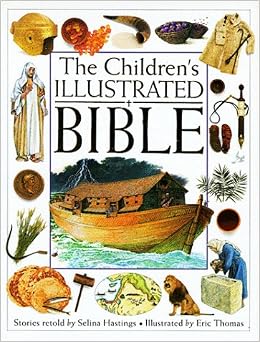
The Children's Illustrated Bible

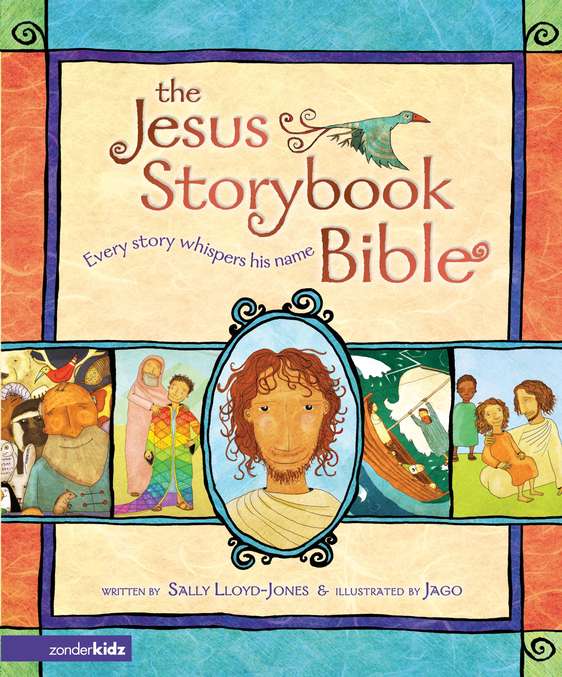
The Jesus StoryBible.


I sat for a second with a stone face and then realized all the many things we do.
Mass is very long prayer time filled with many prayers. We try to spend one weekday morning at church to participate in the liturgy. We attend weekend Mass together. My children participate in different ways based on their ages. I have two teenagers that lector, one of my sons serves at the altar. I also have some kids who like to wrestle me and each other. It makes for a lively time for me.
I've made a rosary box that gets a lot of use. It's a way of giving the children something tangible to hold and look at for each mystery. It helps to ground them into the moment. {I personally find the rosary to be a practice of focus for myself!}
We do the stations of the cross all times of the year. I also have a box to hold an item for each station. We do so much like to do the stations with the small candles that are extinguished as we finish each one.
I have an area that is specific for personal prayer and family prayer. We call it a prayer corner, but it's more of a wall facing east in this new house. We have compline in the evening together as a family here. We've also added a little reading from the Catechism each night as suggested.
We've taught our children how to use the Jesus Prayer and the Divine Mercy Prayer. Did you know there are even Apps for these? I'm pretty low media in this house, but there are times when I let my kids use an App to help them follow their place with these.
But what is the best practice of all? Making time for silence in the midst of a child's daily chaos. Our American lives create some much noise. How can we ever hear the voice of the Shepherd? There must be times in the day carved out for quiet. I have sand timers that we use often. I keep a 7 minute timer near the prayer corner. A child can use it to keep their body still and quiet for 7 minutes. For the younger children, I have a 1 minute timer. (you've got to start somewhere!)
My children over the age of 8 have weekly sheets that tell them what lessons to accomplish on their own each day. I include a "quiet time with Jesus" on each of their lists. What they do during that time is very flexible and open for them. I try to have taught them a variety of personal prayer styles to allow them to grow their own relationship with God.
I keep many books rotating in the prayer area. Some that I have found especially helpful to my children are:
The Children's Illustrated Bible
The Jesus StoryBible.
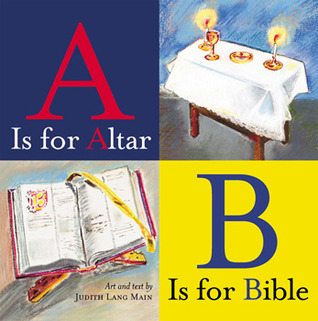

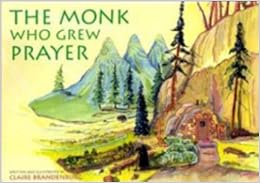
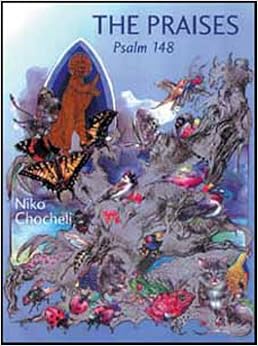
The Jesus Prayer and Me. (not sold by Amazon...link here)
Discloser: When you click on one of these books and buy, Amazon rewards me with a small kick back. Thank you. I hope you enjoy the books as much as we do.
AND modeling is very important. Do your children see you praying and want to join you? Have they observed you quietly making the sign of the cross before you begin an activity? Do they hear you participate in the liturgy? Have they joined you in praying the Divine Mercy chaplet at 3pm? Have they seen you initiate meal prayers?
And that, Father J-T, is how I foster prayer life in my children!
Friday, January 30, 2015
Mother Culture for 2015
I've decided to give my self clear reading goals for the coming twelve months. I'm challenging a few friends to join me in this...
What will I read? Listen to? This is a list in process and I plan to do a book narration on each one...
5. A Very Long Classic Novel -- a single work of 500 pages or longer. This does not include omnibus editions combined into one book, or short story collections.
9. A Forgotten Classic. This could be a lesser-known work by a famous author, or a classic that nobody reads any more. If you look on Goodreads, this book will most likely have less than 1000 ratings. This is your chance to read one of those obscure books from the Modern Library 100 Best Novels or 1001 Books to Read Before You Die. Books published by Virago Modern Classics, Persephone, and NYRB Classics often fall into this category.
Would you like to join me?
What will I read? Listen to? This is a list in process and I plan to do a book narration on each one...
1. A 19th Century Classic -- any book published between 1800 and 1899.
2. A 20th Century Classic -- any book published between 1900 and 1965. Just like last year, all books must have been published at least 50 years ago to qualify as a classic. The only exception is books that were published posthumously but written at least 50 years ago.)
3. A Classic by a Woman Author.
3. A Classic by a Woman Author.
The EDWARDIANS by Vita Sackville READING NOW
4. A Classic in Translation. As in last year's category, this can be any classic book originally written or a published in a language that is not your first language. Feel free to read it in its original form if you are comfortable reading in another language.
5. A Very Long Classic Novel -- a single work of 500 pages or longer. This does not include omnibus editions combined into one book, or short story collections.
6. A Classic Novella -- any work shorter than 250 pages. For a list of suggestions, check out this list of World's Greatest Novellas from Goodreads.
The Metamorphosis by Kafka
7. A Classic with a Person's Name in the Title. First name, last name, or both, it doesn't matter, but it must have the name of a character. David Copperfield, The Brothers Karamazov, Don Quixote -- something like that. It's amazing how many books are named after people!
DAVID COPPERFIELD IT IS! READING NOW
8. A Humorous or Satirical Classic. Humor is very subjective, so this one is open to interpretation. Just tell us in the review why you think it's funny or satirical. For example, if you think that Crime and Punishment and funny, go ahead and use it, but please justify your choice in your post.
9. A Forgotten Classic. This could be a lesser-known work by a famous author, or a classic that nobody reads any more. If you look on Goodreads, this book will most likely have less than 1000 ratings. This is your chance to read one of those obscure books from the Modern Library 100 Best Novels or 1001 Books to Read Before You Die. Books published by Virago Modern Classics, Persephone, and NYRB Classics often fall into this category.
A Passage to India by Forester
10. A Nonfiction Classic. A memoir, biography, essays, travel, this can be any nonfiction work that's considered a classic, or a nonfiction work by a classic author. You'd be surprised how many classic authors dabbled in nonfiction writing -- I have nonfiction books by Dickens, Trollope, Twain, and Steinbeck on my shelves.
11. A Classic Children's Book. A book for your inner child! Pick a children's classic that you never got around to reading.
12. A Classic Play. Your choice, any classic play, as long as it was published or performed before 1965. Plays are only eligible for this specific category.
THE WINTERS TALE BY Shakespeare READING NOW....
and I will add a second The Importance of Being Earnest a play, by Oscar Wilde 1895
and I will add a second The Importance of Being Earnest a play, by Oscar Wilde 1895
Would you like to join me?
Sunday, December 28, 2014
Quotes from what I am reading...
to create welcoming homes requires thought and then action...
For the family's sake by Susan Shafer Maccauley
Because the irony is that giving up on perfection isn't a failure. It's a gift.
The Nesting Place by Myquillyn Smith
it kind of bothers me because there's no real childbirth process or whatever you want to call it that's been developed by a woman.
Pushed:The painful truth about childbirth and modern maternity care by Jennifer Block
The essential mission of school science was to prepare pupils for civilized citizenship by revelating to them something of the beauty and the power of the world in which they lived...
A Philosophy of Education by Charlotte Mason
For the family's sake by Susan Shafer Maccauley
Because the irony is that giving up on perfection isn't a failure. It's a gift.
The Nesting Place by Myquillyn Smith
it kind of bothers me because there's no real childbirth process or whatever you want to call it that's been developed by a woman.
Pushed:The painful truth about childbirth and modern maternity care by Jennifer Block
The essential mission of school science was to prepare pupils for civilized citizenship by revelating to them something of the beauty and the power of the world in which they lived...
A Philosophy of Education by Charlotte Mason
Tuesday, August 5, 2014
First reading lessons
I recently spoke at a local conference about teaching children to read using a Charlotte Mason philosophy and methodology.
Here are my notes:

I like to use the format of Handwriting without Tears for the order of introducing the letters. All of my children wanted to learn how to write their names first. It was about the words they had seen in their environment that meant the most to them. So each child was treated uniquely.
Then you need to buy patience. You can attend to a child slowly over many years, but in reality every child needs many years to begin to read fluently. This is the virtue development for the homeschooling mother.
 How would you like to see this and be expected to read it? That's what a reading looks like to a child who does know their letters and isn't ready to read yet.


First came Object form. —-the Symbol for something. For example they learned a table is where we eat. That was the symbol for eating solid foods, sharing time together. Your toddler was able to go to the table when you told them.
A toddler can learn up to 10 new words a day (especially if you are reading great literature to them!). I believe a child's reading ability can increase as much as 10 new words a day as well...if they already have the object form and sound form in their possession!

Make it easy and inviting. I like to use a book I read to them as a toddler for their "first readers". They are very familiar with the language and sounds/style/rhythm of the book. You can introduce a few of the words in an easy way. Let them see the word alone. Such as "Seed". Tell them this combination of letters identifies what they already know as the sound for seed and the object seed. Work at finding the word "seed" in the first few pages of the book. Now pick another letter and do the same practice.
Give plenty of patience to each step! If this takes more than 15 minutes, stop and wait for another day to teach more. The next day you would be able to introduce a few more words. Find these also in the first few pages of the book. On the third day of lessons you should be able to read a whole sentence and move through a page or two. Each day add another word or two. If the child comes across a word that they are unable to identify, consider placing a paper or "counter" over that word and move on. Return to the confusing word at the next lesson. {Remember? Joy and ease!}

Here are my notes:
So your child is nearly kindergarten age…isn’t it time to teach them to read?
What’s best? Waiting until child is six or seven and then applying rules and study with “vigor” for three hours each day for six or seven weeks? Or should the child unconsciously acquire the state of learning from the time they are born?
No matter which way you go, CM says that it should come with ease and joy. If there are tears about reading, the fault lies with the teacher and not the child. We must always keep in mind the first principle of a CM education. CHILDREN ARE BORN PERSONS.
How did your child learn to walk? Was it all in one day? Or was it incremental over 10-12 months? Reading takes much effort for a child and is best taught over a long period.
Charlotte shared a story of a child (in Volume 1) that learned all of his letters within 7 weeks and began to read well within another month or so. But his mother had waited until he showed interest and was over 6 years old. Is this the best way? Perhaps for some? Other children learn slowly over a longer period of time.
So what are the basics? What do you need to purchase to teach a child to read? Hooked on Phonics? NO. Please don’t. Language and reading is so much more complicated than phonics. There are so many words that must be memorized by sight.
CM suggested a basic alphabet set. She used an ivory set of letters. I personally use a set of letters that are one color for consonants and one for vowels. This set can be used to teach the letters slowly over many days.

Secondly, you need a sand tray ( or a corn meal tray if you are sand phobic, like me! LOL)
It seems that most difficulty arises on the part of the parent or teacher rather than the child. A child will tell you when they are ready to learn. If only we could be so patient enough to wait for their cues.
How many of you know about how Abraham Lincoln learned to read?
It is said that he taught himself. How? You might remember that his mother died when he was 10. He had moved twice across state lines beginning on empty ground with his father to rebuild a life twice before he was 8. His formal schooling equalled to about 1 year. His mother could not read, but had sections of the Bible memorized and would quote it to him as well as poems she knew. He practiced writing his letters on hickory tree bark. When the bark would be full of his practice letters, he would take a knife shave off the bark and start again. He would borrow books from anyone who would loan to him. Because he was ready to learn, he did well. {so if you don't have access to any books, or know how to read yourself, you can still teach a child to read!}
I had a child that read chapter books by age 6, another that took until nearly age 10. They each develop at their own stages.
Consistency and plodding along at a snails pace is the best way. Many days I didn’t think my oldest son would ever learn to read fluently. I needed to be patient and keep offering him books that peaked his interest. Civil War books, woodworking, things about native animals. And refusing to always answer his questions orally. Sometimes he needed to find out in a book for himself. I also tried to create a friendship between the librarian and him so that they could encourage each other in his interest of books. And most of all I kept reading aloud books to him that were above his reading level. I also required him to narrate to me what he had heard.
Children learn by a variety of memorizing the look of a word, the mnemonics of remembering what some of the letters sound like together and where they fit in in a sentence. A whole word focus can work with some children as can a total phonetic study, but I’ve found the best way is to treat them as a whole child and give them chances from every angle.(OH Yeah! That first principle again!!)
You begin teaching a child to read at birth. By reading to them. Basic rule: Only read aloud to your children on the days you eat.
It's good to read some books that are their favorites over and over. Jim Trelease says a good book is worth reading 200 times to a child. With hearing the words over and over, they begin to memorize it. When a child sits on your lap through a whole book, they are working on their habit of attention. Please read books that are exciting! Read books from different genres. Read predictable books and unpredictable books. Books about people, about nature, about history. Give children a very liberal diet of a variety of tastes of books. Don't forget poetry!
What's first?
The first step in learning to read is to be able to know your letters. If the habit of attention has not already been taught, wait to learn the letters. You must have “laid down the rails” of attention prior to this learning as well as creating a great attachment between the mother and child.
Make it fun! Use letter books, music, etc. Cultivate the interest of the sound and shape when learning the letter. You can listen to music that encourages letter sound recognition. (this was something that wasn’t as possible in CM’s time!)

My children have always wanted to find the first letter of their name early on. We practice finding the letter among our set and as they become familiar with it they find that same letter on signs and everywhere we go. As adults each thing we see, we automatically read…but with a child it is much like us looking at a foreign language…they simply see shapes and lines.
I personally would not introduce more than two letters a day…and hopefully letters that are not too alike such as b and d on the same day. (Handwriting without Tears developmental teaching order)
Other movable alphabets that can be used are magnetic letters, cut out letters, stamps.
Secondly. let them use a sand or cornmeal tray to help them learn to write their letters. I suggest 1 or 2 letters written a day is enough. Always keep these lessons short 10-15 minutes at the most and then stop when they are really enjoying it. This will keep their interest when you return to this the next day. {remember JOY and EASE!}

I love to read alphabet books to my children. Read some everyday.

Let them get used to hearing the same good books and soon they will have the books memorized and want to “read to you”.

Word making exercises are very fun. I find my children enjoy making their own name and identifying letters found in their own names. Write their name plainly and beautifully where they can see it everyday.
How did your child learn to talk>?
Then sound form was understood. We began to help them form the word TABLE with their mouth. They tried out various sounds until the sound they made mimicked our sound for table.
Word Form came MUCH MUCH later they began to write the word for TABLE.
So How much time between their understanding of table and writing it? six years ??more?? This is why giving a child a very liberal diet of words from a very young age is so important.
Don’t worry too much about phonetic spelling. That can sort itself out when they are reading well. Just as they spell their name right because they have seen their name written a million times, they will do the same with words as they become more familiar with them.
Teach rhyming families. Encourage a child to take a mental picture of how to spell a word they know and then allow them to play with that word and other letters they know to make rhyming families. They might enjoy doing this with their movable alphabet. It’s faster than writing and then they take a visual picture of more words they know.
Such as cat, bat, fat, rat. etc.
I encourage my emerging readers to keep a copy book. This is a quick look book of words they have learned. It is all in their handwriting. It is also the words they asked me to spell often more than once. I either help them copy the word from somewhere or tell them how to spell it so that they can get a mental image of the word they know in both language and symbol. They can refer to this copy book in the future when they want to revisit this word.
All of my children are raised to be letter writers. We send a letter out each week to someone when know. It might be one or two words, but they get the experience of writing and also to receive mail. Sometimes the mail is for someone in the house and doesn’t even need a stamp.
Remember that book you read 200 times to a child. It’s when they know their letters ( or some of them) that you pull that child’s favorite book out and let them “read” it themselves. Perhaps its because they have it memorized, but now they can begin to put the form of the word (the word symbol) picture into their mind to represent what they know.
So if they have a favorite book at age 2, don’t stop reading it. Let them keep enjoying it and when they are six they will be able to “read” the words they have heard and understood for the past 4 years. Then they become to understand the word form of the words.
Make sure to read a variety of books to them. Poems are a great way to introduce reading.
So let’s demonstrate some reading instruction. We will assume a Good habit of attention. Good attachment between child and parent. Happy child. Early in the morning. Full belly. “All the stars are aligned”. You send the other children away with a 15 or 20 minute timer.
Give plenty of patience to each step! If this takes more than 15 minutes, stop and wait for another day to teach more. The next day you would be able to introduce a few more words. Find these also in the first few pages of the book. On the third day of lessons you should be able to read a whole sentence and move through a page or two. Each day add another word or two. If the child comes across a word that they are unable to identify, consider placing a paper or "counter" over that word and move on. Return to the confusing word at the next lesson. {Remember? Joy and ease!}
And here is a nice write up by another homeschooling mother on how she used a CM approach to teaching reading. I didn't follow this guideline personally, but I think she very clearly follows CM's writings. Enjoy!
What books have we used to teach reading? The Carrot Seed, Mary Had a Little Lamb. What have you used?
Friday, August 9, 2013
Current fun reads
I'm impressed with trends in children's literature. Mostly.
The choices of picture books available these days are endless.
The options for biographies of interesting people are easily accessible.
I'm not so impressed with stuff written specifically to teens. Mostly.
So my older kids are reading more adult books. And I'm fine with that. You can never exhaust classic literature.
So here's what we've read recently. (two new, two old)
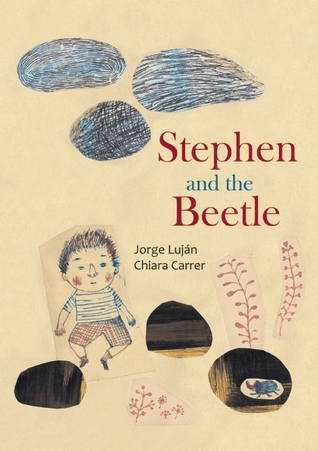
The Boy Who Loved Math


The choices of picture books available these days are endless.
The options for biographies of interesting people are easily accessible.
I'm not so impressed with stuff written specifically to teens. Mostly.
So my older kids are reading more adult books. And I'm fine with that. You can never exhaust classic literature.
So here's what we've read recently. (two new, two old)
The Boy Who Loved Math



Friday, February 1, 2013
Living Benedictine Spirituality in our Domestic Monastery part 1
Many years ago I read post about specific comparisons to domestic life and the monastery. I continue to consider if God would have been pleased if I had chosen a different path...I wish for silence, when in reality I've been given a very noisy household. I dream about order and God blessed me with family chaos.
But it's the similarities, not the extreme differences, that make me smile. I wouldn't try to change where I am... I simply embrace the differences to ground me in the joy of here.
I've got my "monastery bells" in the night bringing me back to the desperation of prayer. The voices of darlings that might ring less on tune. Those are the times when I gasp to pray the psalms, but I instead get to cling to something more simple.
"God help me, I was just up one hour ago."
There is no longer anything I own. It's all become part of this domestic communities possessions. I'm learning that things are temporary, but people are eternal. I can't be partial to my favorite material stuffs.
"Just why has my favorite eyeliner been used to draw on the walls of the bathroom?"
There isn't a room in the house that isn't occupied by another. I share my space constantly.
"Please close the door to the bathroom while mom is taking a shower!"
Decisions are no longer mine to make. It takes scheduling creativity to make sure each persons needs are seen as important when there are eight of us.
Ding, dong.
"Mom, there's a man at the door to see you."
(slump. I've got a houseful of women and daughters here to talk about a girls book...and I also scheduled the insurance man to come? fumble. fhume. slump.)

But in all reality there is much from the Benedictine Rule that we can apply to our lives, our domestic church.
Have you read THE RULE? It's something you can read a little of each day, year after year. Although written for monks, it has so much that fits into the domestic life.
I read books about bringing some of the basics of Benedictine Rule into our family life often. Lots of people have written their impressions of how to bring the Rule into the home.
Have you seen The Family Cloister by Robinson? I've been reading this book slowly for about 10 years. There are suggestions for family meetings that I have still yet to try with our family.
When I began reading this book, I had two children under 4. Less of the book had deep application then, but instead created a great foundation of philosophy of family life together.
The author is a protestant pastor who has spent time in Benedictine Monasteries around the USA including Gethsemani Abbey in Kentucky. (me too!) Now that I have one teenager and another quickly approaching, we apply more and more.
So what do we try to apply in this house?
A rule of prayer. No, we don't rise at 3am to sing in the morning. But we pray together in the morning and in the night. Each family member is given "Prayer time with Jesus" as part of their school work. We have a small room at the top of our stairs in which students take their individual quiet prayer time each day as part of their school work. It's a room full of icons, bibles, prayer books and holy cards. This site is also where we gather at night to share prayer as a family. It's quite cozy when all 8 of us squish in there.

Hospitality. Our home is open to many, often. We host persons for meals on a weekly basis. We host neighbors and friends weekly in unplanned gatherings. We are also working to be more hospitable to those that live in this house! We can become lax at times in going the extra miles for those we live with. (Do I always rise in the night with a smile when someone calls for a drink of water?) I often think of Hebrews 13:2 "Do not neglect to show hospitality to strangers, for by this some have entertained angels without knowing it." We don't get many strangers around our dinner table. (I believe the time for that has passed.) But I DO see many people in a day when outside of this house that we can give a smile or a kind word to. This is the kind of hospitality we can give to strangers.
Obedience. I may have thought that I'd do things my own way once I was grown up. But there is always some kind of authority that I choose to obey. Obedience thought processes have been in this house for years. I tend to refer back to those verses from Ephesians when considering how to respond. The verses that make me think I would never be asked to do something unreasonable. I try to keep this in mind when I ask things of those under my authority in this monastery.
more to come...
 |
| Our School Motto of the year on a wall in the dining room. |
But it's the similarities, not the extreme differences, that make me smile. I wouldn't try to change where I am... I simply embrace the differences to ground me in the joy of here.
I've got my "monastery bells" in the night bringing me back to the desperation of prayer. The voices of darlings that might ring less on tune. Those are the times when I gasp to pray the psalms, but I instead get to cling to something more simple.
"God help me, I was just up one hour ago."
There is no longer anything I own. It's all become part of this domestic communities possessions. I'm learning that things are temporary, but people are eternal. I can't be partial to my favorite material stuffs.
"Just why has my favorite eyeliner been used to draw on the walls of the bathroom?"
There isn't a room in the house that isn't occupied by another. I share my space constantly.
"Please close the door to the bathroom while mom is taking a shower!"
Decisions are no longer mine to make. It takes scheduling creativity to make sure each persons needs are seen as important when there are eight of us.
Ding, dong.
"Mom, there's a man at the door to see you."
(slump. I've got a houseful of women and daughters here to talk about a girls book...and I also scheduled the insurance man to come? fumble. fhume. slump.)
But in all reality there is much from the Benedictine Rule that we can apply to our lives, our domestic church.
Have you read THE RULE? It's something you can read a little of each day, year after year. Although written for monks, it has so much that fits into the domestic life.
I read books about bringing some of the basics of Benedictine Rule into our family life often. Lots of people have written their impressions of how to bring the Rule into the home.
Have you seen The Family Cloister by Robinson? I've been reading this book slowly for about 10 years. There are suggestions for family meetings that I have still yet to try with our family.
When I began reading this book, I had two children under 4. Less of the book had deep application then, but instead created a great foundation of philosophy of family life together.
The author is a protestant pastor who has spent time in Benedictine Monasteries around the USA including Gethsemani Abbey in Kentucky. (me too!) Now that I have one teenager and another quickly approaching, we apply more and more.
So what do we try to apply in this house?
A rule of prayer. No, we don't rise at 3am to sing in the morning. But we pray together in the morning and in the night. Each family member is given "Prayer time with Jesus" as part of their school work. We have a small room at the top of our stairs in which students take their individual quiet prayer time each day as part of their school work. It's a room full of icons, bibles, prayer books and holy cards. This site is also where we gather at night to share prayer as a family. It's quite cozy when all 8 of us squish in there.

Hospitality. Our home is open to many, often. We host persons for meals on a weekly basis. We host neighbors and friends weekly in unplanned gatherings. We are also working to be more hospitable to those that live in this house! We can become lax at times in going the extra miles for those we live with. (Do I always rise in the night with a smile when someone calls for a drink of water?) I often think of Hebrews 13:2 "Do not neglect to show hospitality to strangers, for by this some have entertained angels without knowing it." We don't get many strangers around our dinner table. (I believe the time for that has passed.) But I DO see many people in a day when outside of this house that we can give a smile or a kind word to. This is the kind of hospitality we can give to strangers.
Obedience. I may have thought that I'd do things my own way once I was grown up. But there is always some kind of authority that I choose to obey. Obedience thought processes have been in this house for years. I tend to refer back to those verses from Ephesians when considering how to respond. The verses that make me think I would never be asked to do something unreasonable. I try to keep this in mind when I ask things of those under my authority in this monastery.
more to come...
Thursday, November 29, 2012
A day in the life...
Perhaps once a quarter I do a review of our day. This time I tried to keep track of the daily happenings. Have you wondered what a mother of six does all day? Have a look.
6:30am nurse a toddler, potty him
6:40 shower and dress--and even blow dry my hair
7:00 back to bed for coffee in bed (brought by my 8yo son) and personal prayer time
7:30 return two emails from my phone and head downstairs, encourage children to get dressed
8:00 supervise breakfast making in the kitchen
8:35 nurse 2 month old and begin prayer time with kids, Jesse Tree and OT readings
9:15 13 year old leave for band at the local high school
9:30 find toddler with all the stickers dumped out...help to clean these up, reading to 10yo and 8yo
9:50 2nd breakfast for toddler and 5 year old (cuties and water as well as granola bars)
10:00 Get 8 yo started on math review
Read aloud with 10 year old (Beautiful Girlhood)
get a text from violin teacher that he's cancelling lessons that would have begun at 11:30
more coffee!!
nurse baby
10:20 redirect 8 yo to begin violin practice
get game down for 5yo (It's a Match)
put toddler on potty chair
baby to bassinet for nap in same room
10:40 8 yo goes to "time with Jesus" in our prayer room
10yo practice violin
change laundry-move one load to dryer, one to washer, fold what was in dryer
Read aloud Big Susan to 2yo and 5yo
11:00 13 yo returns home from band at local highschool
send 10yo and 2yo outside
change babys diaper
11:36 settle a violin squabble between 10 and 13yo as they are practicing for a Christmas program
check on two boys outside who are digging a hole in the garden plot
put baby in carrier and begin lunch with 5yo (pb&j, leftover soup, cheese sticks)
11:48 boys bring in treasures they have dug up
eat lunch with kids
put in another load of laundry
listen to Claude Debussy while eating (composer for this term)
Angelus prayer
chores begun by kids (sweep floor, toilets, put away folded laundry, clean up from lunch)
12:20 put toddler and baby down for nap by reading The Seven Silly Eaters and My World of Color by Margaret Wise Brown, read two pages of Winter Pascha for myself,
12:45 help 5yo load dishwasher from lunch, wipe off kitchen table
1:12 8yo practice violin for 5 minutes (second practice)
Read science and history books to 13yo, 10yo, 8yo and 5yo in den. Narrations
2:00 send 10yo and 5 yo girls outside for play time and dog poop pick up.
8yo is reprimanded for not obeying...sent to room for 5 minutes so mom can cool down
13yo begins chores (hadn't done them earlier)
2:15 8yo invited back downstairs, begins to make dinner (Chickpea Curry with Brown Rice) with mom
2:30 wake up toddler, poops in potty!!! hooray!!
toddler is refusing snack, pretending to be his uncle
change baby diaper
get rice ready...force 8yo to read the package on how to make the rice for dinner
have a chapstick dispute with 2yo
2:45 read Boyhood to Manhood book to 8yo while rice cooks
3:01 milk and cookies for all kids (10yo and 5yo come in with rosy cheeks)
10yo play with toddler in his room
13yo is editing a video she is making
mom chooses pictures for picture study of Grandma Moses
4:00 8 yo sets table, 10yo out to ride her bike and look for neighborhood friends, 5yo and 2yo playing in the back yard
Read aloud to the 13yo (I Kissed Dating Goodbye)
text a friend in China who has a birthday *today*
5:02 First aid for 5yo who busted her nose while playing on stumps in the backyard
baby down for nap after diaper change
make dessert (Cranberry Claufouti)
10yo comes home with a friend
5:25 Dessert goes into oven
friend is sent home
5:36 Daddy calls...on his way home from the hospital!
6:00 Dinner begins
6:10 Daddy comes home and joins us at the table
6:22 Table cleaned off and heading out the door for Mass
6:30-7:15 Mass (struggling with toddler and baby with help from older children...but we make it through another evening Mass! whew!)
Daddy begins to teach class on skype in closed room
7:30 clean up from dinner
13 yo unloads and reloads dishwasher
mom writes two thank you notes
everyone else gets on pajamas
7:48 prayers with those who have pj's on in prayer room
Crisis for 2yo as he can't find his favorite marble to sleep with
8:00 Marble still not found, but alternate toy has been chosen
Kisses from mom to all kids
Mother to downstairs with baby, reading her Year of Faith book and Charlotte Mason book
Glass of wine for mom in honor of her friends birthday
9:00 Mother turns on black and white movie
9:26 Daddy comes down from class, begins to iron his shirt for the next days work
(Mother feels bad that she didn't get around to it!)
Baby sleeping in mothers arms...but wakes as soon as she lays him in bassinet
10:04 Mother turns off lights and begins to go to bed Daddy joins her soon after
This is a fairly typical day. We would have had two hours of violin lessons on a typical Wednesday.
6:30am nurse a toddler, potty him
6:40 shower and dress--and even blow dry my hair
7:00 back to bed for coffee in bed (brought by my 8yo son) and personal prayer time
7:30 return two emails from my phone and head downstairs, encourage children to get dressed
8:00 supervise breakfast making in the kitchen
8:35 nurse 2 month old and begin prayer time with kids, Jesse Tree and OT readings
9:15 13 year old leave for band at the local high school
9:30 find toddler with all the stickers dumped out...help to clean these up, reading to 10yo and 8yo
9:50 2nd breakfast for toddler and 5 year old (cuties and water as well as granola bars)
10:00 Get 8 yo started on math review
Read aloud with 10 year old (Beautiful Girlhood)
get a text from violin teacher that he's cancelling lessons that would have begun at 11:30
more coffee!!
nurse baby
10:20 redirect 8 yo to begin violin practice
get game down for 5yo (It's a Match)
put toddler on potty chair
baby to bassinet for nap in same room
10:40 8 yo goes to "time with Jesus" in our prayer room
10yo practice violin
change laundry-move one load to dryer, one to washer, fold what was in dryer
Read aloud Big Susan to 2yo and 5yo
11:00 13 yo returns home from band at local highschool
send 10yo and 2yo outside
change babys diaper
11:36 settle a violin squabble between 10 and 13yo as they are practicing for a Christmas program
check on two boys outside who are digging a hole in the garden plot
put baby in carrier and begin lunch with 5yo (pb&j, leftover soup, cheese sticks)
11:48 boys bring in treasures they have dug up
eat lunch with kids
put in another load of laundry
listen to Claude Debussy while eating (composer for this term)
Angelus prayer
chores begun by kids (sweep floor, toilets, put away folded laundry, clean up from lunch)
12:20 put toddler and baby down for nap by reading The Seven Silly Eaters and My World of Color by Margaret Wise Brown, read two pages of Winter Pascha for myself,
12:45 help 5yo load dishwasher from lunch, wipe off kitchen table
1:12 8yo practice violin for 5 minutes (second practice)
Read science and history books to 13yo, 10yo, 8yo and 5yo in den. Narrations
2:00 send 10yo and 5 yo girls outside for play time and dog poop pick up.
8yo is reprimanded for not obeying...sent to room for 5 minutes so mom can cool down
13yo begins chores (hadn't done them earlier)
2:15 8yo invited back downstairs, begins to make dinner (Chickpea Curry with Brown Rice) with mom
2:30 wake up toddler, poops in potty!!! hooray!!
toddler is refusing snack, pretending to be his uncle
change baby diaper
get rice ready...force 8yo to read the package on how to make the rice for dinner
have a chapstick dispute with 2yo
2:45 read Boyhood to Manhood book to 8yo while rice cooks
3:01 milk and cookies for all kids (10yo and 5yo come in with rosy cheeks)
10yo play with toddler in his room
13yo is editing a video she is making
mom chooses pictures for picture study of Grandma Moses
4:00 8 yo sets table, 10yo out to ride her bike and look for neighborhood friends, 5yo and 2yo playing in the back yard
Read aloud to the 13yo (I Kissed Dating Goodbye)
text a friend in China who has a birthday *today*
5:02 First aid for 5yo who busted her nose while playing on stumps in the backyard
baby down for nap after diaper change
make dessert (Cranberry Claufouti)
10yo comes home with a friend
5:25 Dessert goes into oven
friend is sent home
5:36 Daddy calls...on his way home from the hospital!
6:00 Dinner begins
6:10 Daddy comes home and joins us at the table
6:22 Table cleaned off and heading out the door for Mass
6:30-7:15 Mass (struggling with toddler and baby with help from older children...but we make it through another evening Mass! whew!)
Daddy begins to teach class on skype in closed room
7:30 clean up from dinner
13 yo unloads and reloads dishwasher
mom writes two thank you notes
everyone else gets on pajamas
7:48 prayers with those who have pj's on in prayer room
Crisis for 2yo as he can't find his favorite marble to sleep with
8:00 Marble still not found, but alternate toy has been chosen
Kisses from mom to all kids
Mother to downstairs with baby, reading her Year of Faith book and Charlotte Mason book
Glass of wine for mom in honor of her friends birthday
9:00 Mother turns on black and white movie
9:26 Daddy comes down from class, begins to iron his shirt for the next days work
(Mother feels bad that she didn't get around to it!)
Baby sleeping in mothers arms...but wakes as soon as she lays him in bassinet
10:04 Mother turns off lights and begins to go to bed Daddy joins her soon after
This is a fairly typical day. We would have had two hours of violin lessons on a typical Wednesday.
Saturday, July 7, 2012
Thoughts from my older sister...
Those of you who know me in real life are already asking, who is her OLDER sister?
Yes, you are right. I'm actually the oldest of my parents children.
But an older sister is so helpful! Doesn't everyone want one?
There have been times in my life that I have picked ladies older than I to emulate. I pick my own older sister!
Perhaps it was those years of early marriage when I watched wives taking extra care of themselves to always remain attractive to their husband.
Later it was picking a young mother to watch as she disciplined her child. (and maybe choosing to do it drastically different).
In those early years of schooling, I found older mentoring mothers who had home schooled through the grade school years and were heading into high school.
It can be so helpful to have friends, older sisters in the faith, to be an example for me to follow!
This month, when my husband's Columbia Magazine (go Knights of Columbus!) arrived, I noticed it focused on religious freedoms. There were articles that considered especially the witness of how we live our faith through our family life and NFP.
I cried as I read the article about someone I consider an older sister in the faith.
For many years a local priest friend of ours has called us the "Martin" family. (We have tender nicknames for him too.)
I'd read about them in this book after I was given it from a friend.
But this month I began to see Zelie and Louis Martin as older mentors in the faith in a new way. I knew about their nine children and how four of them died in infancy. That must have been so hard. All of my children remain healthy.
And then to have five daughters. Wow. What estrogen levels in the house! To have all five of them want to join the convent.
For Zelie to die an early death of cancer. It must have been a painful agonizing death knowing she would leave a young daughter.
Today what is heroic about their lives is that they simply lived.
They did their work quietly and must have spent plenty of time showing their children with their lives how to be Christians.
Their daughters didn't need lots of discussion or instruction, it was exuded from the life they were surrounded by. And Louis was able to continue this life after Zelie's death.
I'm not called to live a heroic life. I'm called to just consistently live my vocation as mother and wife. And I'm looking at my big sister Zelie to continue to show me the way.
And now in my amazon wish list is a book of some of letters of coorespondance of Zelie Martin.
Taken from Lisa Henley's book A Book of Saints for Catholic Moms
(a Christmas present from a godson!)
Blessed Louis and Blessed Zelie Martin
together you lived a happy and holy marriage raising a family who gave itself fully to service of God and others.
Help our family to follow your example of love, faithfulness and care of one another.
Intercede on our behalf, that we may honor our parents, live out our days in holiness and listen to God's call for our vocations.
Entrust to God our loved ones, especially our deceased parents, grandparents and relatives.
May our family someday know the happiness of life together with you and your children in heaven.
Amen.
And while you are at it, consider reading a great interview with Vicki Thorn (yet another older sister of mine!) found in this month's Columbia magazine!
Yes, you are right. I'm actually the oldest of my parents children.
But an older sister is so helpful! Doesn't everyone want one?
There have been times in my life that I have picked ladies older than I to emulate. I pick my own older sister!
Perhaps it was those years of early marriage when I watched wives taking extra care of themselves to always remain attractive to their husband.
Later it was picking a young mother to watch as she disciplined her child. (and maybe choosing to do it drastically different).
In those early years of schooling, I found older mentoring mothers who had home schooled through the grade school years and were heading into high school.
It can be so helpful to have friends, older sisters in the faith, to be an example for me to follow!
This month, when my husband's Columbia Magazine (go Knights of Columbus!) arrived, I noticed it focused on religious freedoms. There were articles that considered especially the witness of how we live our faith through our family life and NFP.
I cried as I read the article about someone I consider an older sister in the faith.
For many years a local priest friend of ours has called us the "Martin" family. (We have tender nicknames for him too.)
I'd read about them in this book after I was given it from a friend.
But this month I began to see Zelie and Louis Martin as older mentors in the faith in a new way. I knew about their nine children and how four of them died in infancy. That must have been so hard. All of my children remain healthy.
And then to have five daughters. Wow. What estrogen levels in the house! To have all five of them want to join the convent.
For Zelie to die an early death of cancer. It must have been a painful agonizing death knowing she would leave a young daughter.
Today what is heroic about their lives is that they simply lived.
They did their work quietly and must have spent plenty of time showing their children with their lives how to be Christians.
Their daughters didn't need lots of discussion or instruction, it was exuded from the life they were surrounded by. And Louis was able to continue this life after Zelie's death.
I'm not called to live a heroic life. I'm called to just consistently live my vocation as mother and wife. And I'm looking at my big sister Zelie to continue to show me the way.
And now in my amazon wish list is a book of some of letters of coorespondance of Zelie Martin.
Taken from Lisa Henley's book A Book of Saints for Catholic Moms
(a Christmas present from a godson!)
Blessed Louis and Blessed Zelie Martin
together you lived a happy and holy marriage raising a family who gave itself fully to service of God and others.
Help our family to follow your example of love, faithfulness and care of one another.
Intercede on our behalf, that we may honor our parents, live out our days in holiness and listen to God's call for our vocations.
Entrust to God our loved ones, especially our deceased parents, grandparents and relatives.
May our family someday know the happiness of life together with you and your children in heaven.
Amen.
And while you are at it, consider reading a great interview with Vicki Thorn (yet another older sister of mine!) found in this month's Columbia magazine!