talk notes from today's presentation to a young moms group at a local parish:
I'd like to encourage you all in living our primary goal as parents, as mothers.
To help those in our home turn their hearts and minds toward God.
What is the avenue in which we connect with our God? Prayer. This prayer is both a preparation and a vehicle for arriving at the great prayer of thanksgiving: The Mass or Eucharist. Pope John Paul II in his 1994 letter to families said that parents are the primary educators of the faith to their children. Already before a child begins school or pre-school, they have begun to have a relationship with God. And we can help nurture that at home. This supports, rather than diminishes, the benefit of taking them to weekly (or daily) Mass.
All peoples of religion offer prayer, but as Christians we pray through Jesus Christ. This mystery of knowing God in prayer is a way of God revealing more of himself to us. "Unless you become like a little child you shall not enter the kingdom of heaven" (Matthew 18:3)
How does a child approach prayer?
What is an adult's role in assisting a child into this mystery of prayer?
Prayer, after all, is a personal response to God. We each differ in the ways that we pray. We, as adults, should not presume to teach a child to pray. The only words that Jesus offered us is the Lord's Prayer. And that was in teaching adults!
When the Holy Spirit is indwelt in the child at their baptism, their life of prayer has begun. How can we respect that interior life? By creating the atmosphere for it to flourish.
Matthew 19:13 says " Then little children were being brought to him in order that he might lay his hands on them and pray. The disciples spoke sternly to those who brought them; but Jesus said:' Let the little children come to me and do not stop them; for it is to such as these that the kingdom of heaven belongs.' And he laid his hands on them and went on his way."
We do know that there are specific ways to adjust the atmosphere to encourage prayer.
A British educator named Charlotte Mason suggested that learning (and I'm speaking specifically to learning to pray) takes atmosphere, discipline and life. Atmosphere and discipline are the ways we as adults can make the environment for children. Life is their job. We set the foundation and then they take it over as they grow.
Let's take a look at atmosphere. A child is very much capable of silence and contemplation. If you haven't experienced children's adoration, I highly recommend it! It's amazing to see children of 2 or 3 years of age sitting for periods of silence with the Sisters of St. John. Or my own observations in the Catechesis of the Good Shepherd where children sit for prayer, for personal work and prayer.
But does prayer only have to be nurtured at church or religious formation? No. You can create an atmosphere for a child's prayer in your own home.
Having a quiet space in the home. Away from the toys. Turn off the TV.
(can
you pray with the TV on?)
An environment of prayer begins at birth!
Really? Yes!
How? Here are some ideas to try:
Hang religious images where the child can see them while in your arms, while nursing, when waking from a nap. This can lift their minds to things of above.
Use your own personal gestures of prayer SLOWLY. Make the sign of the cross with purpose (don't be sloppy). Perhaps use three finger tips rather than your whole hand/ all finger tips. Genuflect slowly and deliberately. Spend time on your knees at home.
Give evening blessings with a cross on the children's heads or with holy water. Let the children give you an evening blessing.
Use prayers, hymns/songs that are acquainted with the Liturgical Time of the year. (like Come Holy Spirit around Pentecost, Come Though Expected Jesus during Advent) Let music be heard often in your home.
Have a prayer space for the children or for the whole family. Place simple "prayer helps" in this area such as a rosary, a crucifix, saint peg dolls or other touchable things for children.
Take the child to Mass at a young age and take them often! If one hour is too long for them to sit, then go to daily mass
as well. This begins the process
to help them attain the habit of sitting still and keeping their attention forward.
Read the daily readings ahead of time for the Mass aloud. (this also helps for the Moms that miss hearing all the readings due to helping the children sit still!)
Practice a Liturgy of the Hours at home. Pray upon rising, and sitting, eating and sleeping!
Rosary. Perhaps a decade with each meal and one with bedtime and teeth brushing.
We reverence the Holy Spirit living in the child when we acknowledge their independence in their choices. We give them two or three great choices and then allow them to choose.
Example: Want to pray sitting down or standing up? Will we pray the Our Father or sing the Hail Mary?
Jesus revealed himself to a little child in the gospels. He reveals himself to us as adults. We need to acknowledge that the child has the Holy Spirit working in their life just like we do!
The Catechesis of the Good Shepherd reverences the indwelling of the Holy Spirit in the child. You can learn more about
CGS here.
In the youngest child's Atrium (a simple, prepared space for the children), you can find liturgy work, geography of the land of Jesus, Infancy Narratives work, Parable work as well as practical life.
The central focus in the youngest child's atrium is the parable of the Good Shepherd found in John 10.
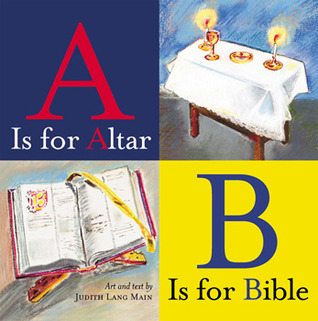
Another focal point is the prayer table. This prayer table is easily replicated in the home.
What is included in a prayer table? A low table such as a coffee table. At the child's level. This is away from the busy parts of the home, but in an easy accessible place.
We have ours in our main living room. (It might be convenient for a child to have a prayer table in their own room?) A prayer cloth that is the liturgical color for the time is appropriate. Green for ordinary time, purple for preparation for Advent or Lent. An icon or a statue that might be appropriate for the time period. I currently have a icon of the Sorrowful Mother for the month of September. Perhaps a candle or a battery operated candle if you have young children with no experience with candles.
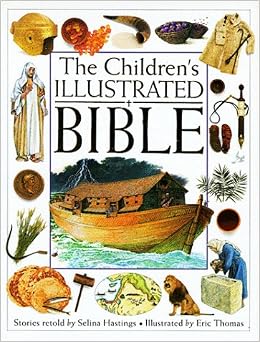
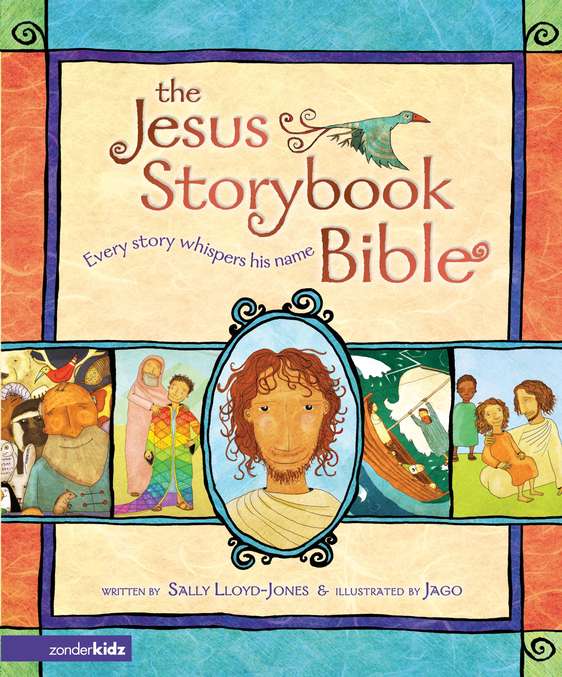
How to introduce a prayer table? "This is a special place to develop the habit of prayer. You can come here often during the day to spend some silence and quiet with God. Maybe you'd like to change the cloth, choose a different statue or photo, read a prayer, move figures to remember a parable or a narrative from the gospel." Perhaps a child's bible is close by. Access to the readings from the daily Mass or weekly gospel. An older child might like a copy of the Magnificat or Give us this Day. Perhaps a four volume copy of the Liturgy of Hours.
How else to help the child focus on prayer? Celebrate the holy days in a special way in your home. Besides attending Mass, choose a fun meal or outing to accent the day. Celebrate the Baptism day of each of your children---this is a VERY important day. The day they became a Christian!
Mary's birthday is coming up. Choose some white or blue foods. Decorate the prayer table with blue or a statue. Have a Mary procession. Sing a song to Mary. Visit a Marian shrine nearby. The options are endless.
So there's the atmosphere. Then there's the discipline of habit. Choosing to not miss Mass. To have the rule of prayer. Meal prayers and much more each day. These are simple ways to help your children. This requires even the more of the mother and the father to have a habit, the discipline, of faith.
And then you let go.
And let the Holy Spirit do it's work.
And watch the child respond. They do in their own way. It might not look like the way we approach prayer, but it's theirs.
Practice, as the adult, getting out of the way of the work of God in the child's life.
May God richly bless you as you pray alongside your children.